
Managing Fatigue of Aging
- Oct 18, 2024
- 2 min read
Updated: May 20, 2025
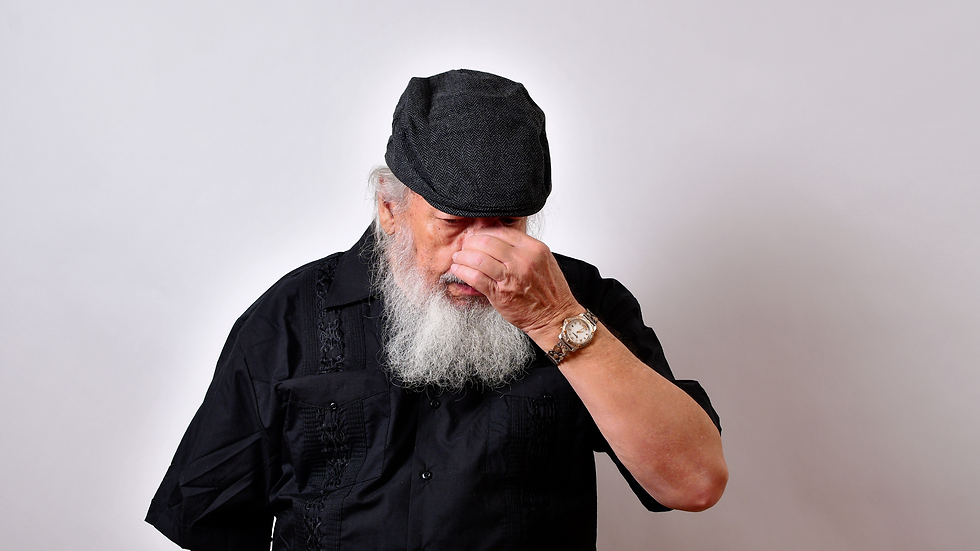
There are so many things that change in aging. Things just slow down. Overall, there is less energy. There is a decrease in muscle mass, and nerve conduction slows down. Metabolism slows down. Hormones change: Lower levels of estrogen, progesterone, and testosterone cause fatigue. Older people often exercise less (for many reasons), which, in turn, causes more fatigue; decreased gastrointestinal absorption of vitamins and minerals causes nutritional deficits that result in fatigue. The metabolism necessary for energy slows down. The body utilizes energy to fight acute and, more often, chronic health problems. Sleep quality changes - insomnia, sleep interruptions. Certain medications cause fatigue. There may be depression, grief, and financial concerns as one ages. SO many different factors contribute to the fatigue of aging.
That is a lot to swallow. What can you do to minimize the fatigue that comes with aging? Pick apart the above paragraph. Make a plan to get EXERCISE, and engage in activities: When I meet vital older people in my clinic, I ask them how they stay healthy. They almost always have a component of exercise in their lives: "I walk a mile every day". Find some ways to maximally control pain and chronic illness. Eat a nutritionally sound diet, measure your vitamin levels, and add supplements if necessary. Make a sleep schedule and practice sleep hygiene, and drink chamomile tea before bed. Hormone replacement is available but not always a very healthy option. If you take a lot of medicines, discuss the possible effects of polypharmacy with a pharmacist or your primary care provider.
Vitamins and Supplements
Consider supplementing with the following:
Vitamin B complex (especially B12 for energy)
Vitamin D - Needed for energy
Just because you are older doesn't mean that you need to put your health and well-being on the back burner. If you would like to know more, explore the exciting section on aging.


