top of page

Read About the Topic:

Medications as a Cause of Stomach Problems

Oct 11, 2024
2 min read

Updated: Jul 1, 2025

Just about any medications, herbs, and supplements can cause indigestion or constipation. It just depends on a person's makeup: Their gut biome, their metabolism, and sometimes even certain underlying conditions: What one person tolerates, another cannot.


If you develop stomach problems and have just recently started on a medication, consider the possibility that the new medication may be causing it. If you have an intolerance to a medication, stomach symptoms typically begin within one day to several weeks.


Some of the more common medications that cause stomach problems are mentioned in the following:


MEDICATION AS A CAUSE OF DIARRHEA

Most medications have the potential to cause diarrhea (just look at the side effect profile). Some are more likely to cause this than others. For example, Metformin, a diabetic medication, is known to do this (diarrhea usually goes away after several days); chemotherapy commonly causes diarrhea, and there are others. If you are unable to tolerate your medicines, speak to a healthcare provider who may be able to provide a substitute or symptomatic relief.


  • Antibiotics (any antibiotics can do this, but especially true of oral erythromycin, clarithromycin [Biaxin], and "amox-clav" [Augmentin])

  • Laxatives

  • Metformin (for type 2 diabetes)

  • Chemotherapy

  • Magnesium

  • Some osteoporosis medicines (biphosphonates)

  • Medicines for heartburn and GERD (Protein pump inhibitors [PPIs], occasionally Tagamet and Pepcid, and also some antacids.

  • Blood pressure medications (beta blockers - Usually those ending in "olols" and ACE inhibitors - usually those ending in "pril")

  • Immunosuppressants

  • Antidepressants

  • NSAIDS

  • Colchicine (for gout)

  • Some herbs, supplements, and vitamins

  • Diabetes/weight loss medications (GLP-1s) i.e., Ozempic, Mounjaro
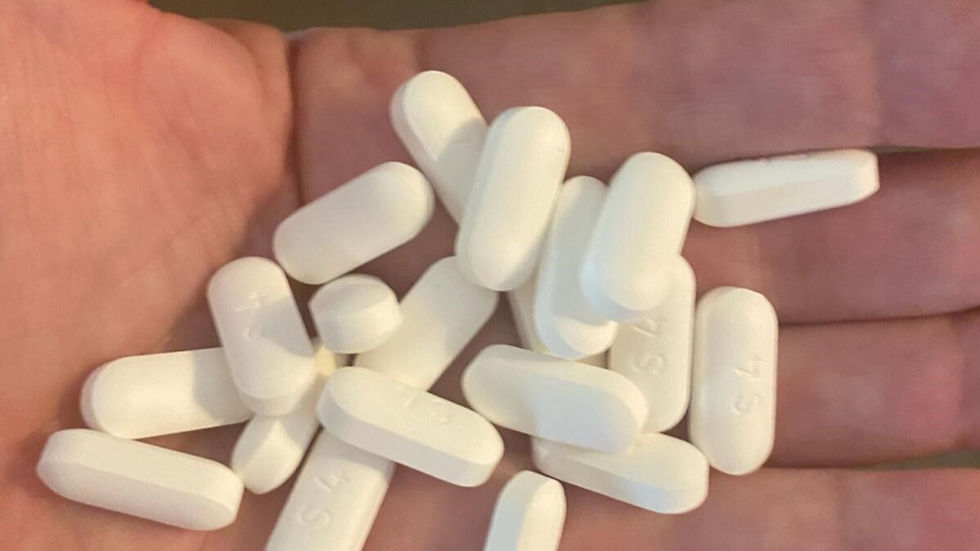
Medication
Medication

MEDICATIONS AS A CAUSE OF CONSTIPATION

  •   Antacids

  •   Calcium

  •   Pain pills (opioids and sometimes over-the-counter pain medicines, like NSAIDS)

  •   Calcium channel blockers (blood pressure)

  •   Some antidepressants

  •   Anti-Parkinson's medication

  •   Some antidepressants

  •   Iron

  •   Several incontinence medications

  •   Antihistamines

  •   The popular diabetes/weight loss drugs – Ozempic, Mounjaro, and Wegovy-can also cause nausea as well

    Just to name a few!

If you think you may be on a medication, herb, or supplement that may be causing unwanted gastrointestinal side effects, call your healthcare provider ASAP or speak to a pharmacist about the problem and about possibly getting a substitute. If things are unbearable, you have a lot of pain, or if you cannot keep fluids down, you need to talk to someone right away. If it is on a weekend and you cannot reach your provider, go to urgent care.


For more information about other side effects from medications, see "Medication Side Effects and Interactions."


PLEASE READ:

FOR EMERGENCIES (CALL 911 or E911)

THIS IS NOT A SITE FOR BREASTFEEDING OR PREGNANT WOMEN

THIS IS NOT A SITE FOR KIDS UNDER 12 YEARS OLD

Resouces

Affiliate Disclosure

Some links on this site are affiliate links. If you purchase a product through these links, Web Guide to Healthcare may earn a small commission at no additional cost to you. Only products that meet reputable standards — including FDA oversight, established safety profiles, or third‑party testing — are recommended. Products known to be unsafe, untested, or ineffective will not be promoted.

Medical Disclaimer

All content on this site is for informational purposes only and is not intended to diagnose, treat, or cure any condition. Always consult a licensed healthcare provider before starting or stopping any medication, supplement, or treatment.

Supplement Safety Disclosure

Supplement information on this site is educational and not a substitute for medical advice. Many supplements have limited or ongoing research, and some are not FDA‑approved. Investigate supplements further before deciding to use them, and check interactions and contraindications on reputable medical sites such as Drugs.com or WebMD. Do not attempt to treat serious conditions — including liver or kidney problems, high blood pressure, heart conditions, cancer, diabetes, or thyroid issues — without discussing them with a healthcare provider. If you are pregnant, consult your healthcare provider before using supplements.

Data Protection & Privacy

Web Guide to Healthcare is committed to protecting your privacy. This policy explains what information is collected, how it is used, and how your data is safeguarded.

Information Collected

  • Basic website analytics (page views, device type, general geographic region)

  • Information voluntarily submitted through contact forms (such as your name or email address)

What We Do Not Collect

  • Personal medical information

  • Financial information

  • Sensitive health records

  • Any data intended for diagnosis or treatment

Cookies & Tracking

This website may use cookies to improve user experience and analyze site performance. Cookies do not store personal medical or financial data.

Third‑Party Links

Web Guide to Healthcare may link to external websites for educational or product‑related information. We are not responsible for the privacy practices of those sites.

Data Protection

We do not sell, trade, or share your personal information. Any data collected is used solely for site functionality, analytics, or communication initiated by the user. No personal health information (PHI) is collected or stored on this website. All medical information shared during telehealth visits is handled exclusively through CharmHealth, a HIPAA‑compliant platform.

Contact

If you have questions about this privacy policy, you may reach out through the contact form on the website.

© 2025 by Web Guide To Healthcare

bottom of page